 443-944-5705

Probable Cause Explained: When Police Can Arrest or Search You
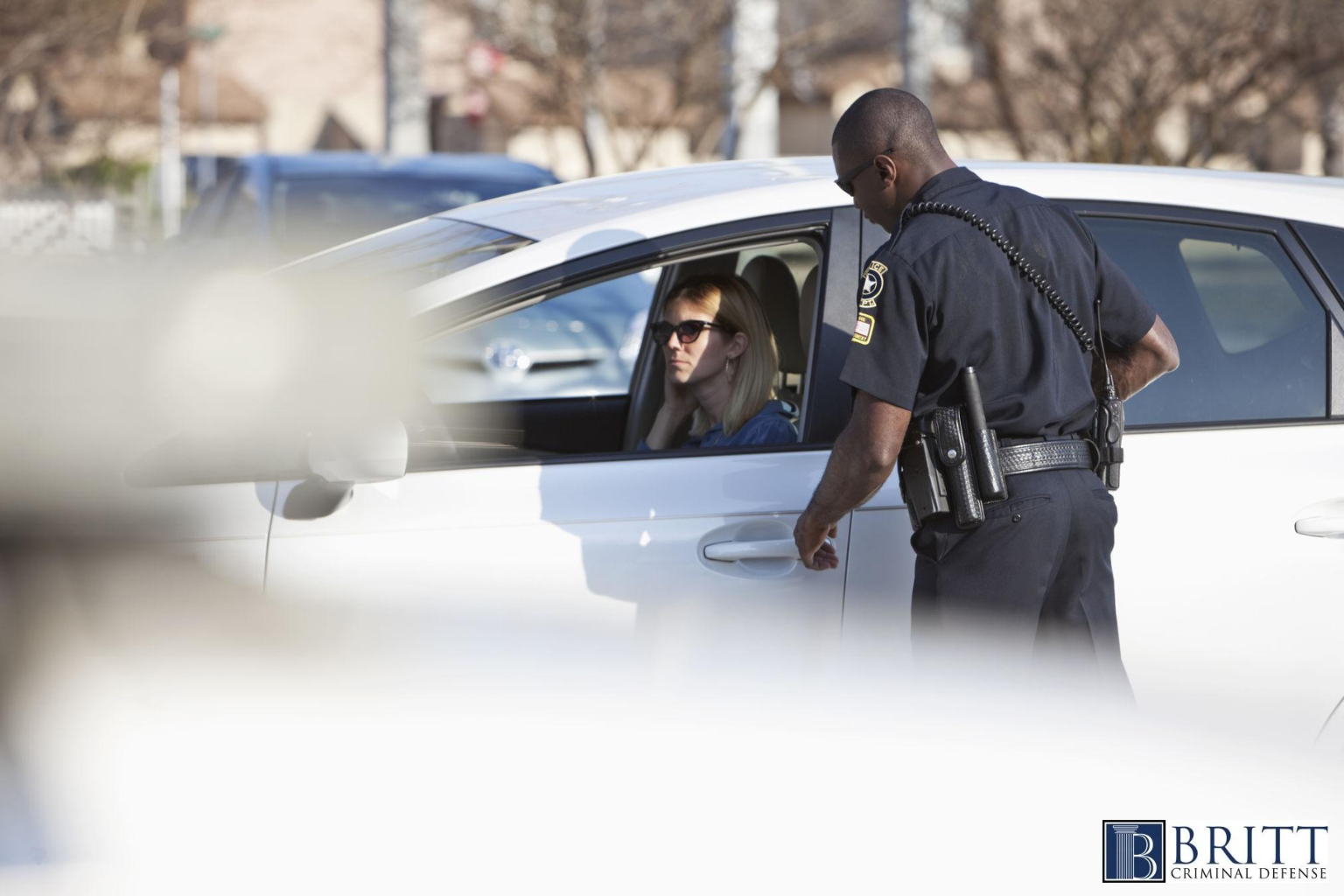
Probable cause is the legal standard that helps determine when police may arrest someone or conduct certain searches. It protects people from arbitrary government action while allowing legitimate criminal investigations.
The standard requires facts supporting a fair probability of criminal activity. It does not require proof beyond a reasonable doubt. Understanding this standard can help explain when police action may be challenged.
It can also clarify why an arrest or search does not automatically make evidence admissible. The circumstances surrounding police conduct can significantly affect the legal analysis.
Understanding the Legal Standard for Probable Cause
Police generally need specific facts supporting an arrest decision. Those facts may include observations, witness statements, physical evidence, or reliable information. Courts consider the circumstances as a whole.
The standard requires more than a hunch, but less than proof beyond a reasonable doubt. This distinction becomes important when evaluating probable cause for arrest. Courts examine what officers knew before taking someone into custody.
Information discovered after an arrest generally cannot retroactively create probable cause. The facts must support the decision based on circumstances known when police acted.
When Police Can Make an Arrest Without a Warrant
Maryland law permits certain arrests without a warrant when statutory requirements are satisfied. An officer may arrest someone after observing certain offenses. Other circumstances can permit a warrantless arrest when sufficient facts support the officer’s decision.
An arrest without a warrant is therefore not automatically unlawful. Officers must still follow constitutional and statutory limits. The offense, evidence, and circumstances can affect whether the arrest was permitted.
A court can later examine whether police had adequate grounds. The legality of an arrest depends on the specific facts known to officers at the time.
Search Warrants and Fourth Amendment Requirements
The Fourth Amendment protects people against unreasonable searches and seizures. Police generally need judicial authorization before searching a private home. A warrant request should identify the place and evidence sought.
It must also provide facts supporting probable cause. These search warrant requirements help prevent unsupported searches. Courts can review whether a warrant was properly issued and whether officers stayed within its authorized scope.
Warrants generally require a neutral judicial officer to determine whether probable cause exists. This process provides an important safeguard during criminal investigations and evidence collection.
Exceptions to the Warrant Requirement
Police do not always need a warrant before searching. Recognized exceptions can include valid consent, exigent circumstances, and certain searches connected with an arrest. The applicable exception depends on specific facts.
A probable cause search must therefore be analyzed alongside the warrant requirement and any applicable exception. Location, timing, police conduct, and evidence can all matter.
A search supported by probable cause may still require a warrant unless an established exception applies. Courts examine the circumstances carefully when determining whether a warrantless search violated constitutional protections.
Reasonable Suspicion and Probable Cause
Reasonable suspicion and probable cause are separate legal standards. Reasonable suspicion can justify a brief investigative detention when specific facts suggest criminal activity. Probable cause generally requires a stronger factual basis.
Encounters can develop as evidence appears. This distinction matters during traffic stops and other police encounters. A reasonable belief based on specific facts can support certain investigative actions.
Courts may consider whether police had enough information to act based on the circumstances. The difference between these standards can influence whether officers may detain, arrest, or search someone during an encounter.
Probable Cause Does Not Prove Guilt
Probable cause addresses police authority, not whether someone is ultimately guilty. Prosecutors must still prove the charged offense beyond a reasonable doubt. Defense counsel can challenge evidence obtained through an unlawful search or seizure.
Courts may examine whether officers followed required procedures. The Fourth Amendment provides important constitutional protections against unreasonable searches and seizures. These protections remain relevant throughout a criminal case.
The existence of probable cause does not establish guilt. It only concerns whether sufficient grounds existed for particular government action under the circumstances.
Challenging an Unlawful Arrest or Search
Police conduct can be challenged when an arrest or search lacked sufficient legal justification. Courts may review police reports, warrants, recordings, witness accounts, and physical evidence.
The timing of an arrest or search can also matter. Officers generally cannot rely on facts they learned only after taking action. A court may determine whether the government’s evidence was obtained lawfully.
In some circumstances, improperly obtained evidence can become subject to a suppression challenge. The available remedy depends on the specific constitutional issue, applicable exceptions, and procedural history of the case.
Protecting Your Rights After Police Action
A police encounter can raise complicated legal questions about arrests, searches, and seizures. Understanding the applicable rules can help you make informed decisions. Probable cause is only one part of the constitutional analysis.
The circumstances surrounding the encounter can affect whether police acted lawfully. Reviewing the sequence of events can help identify potential legal issues.
If you have questions about an arrest, search, or criminal investigation, Britt Criminal Defense can help you understand your options. Call 443-944-5705 or visit our contact page to request more information.
Frequently Asked Questions

What is probable cause for an arrest?
Probable cause for an arrest exists when police have enough facts to reasonably believe someone has committed a crime. It requires more than a guess or suspicion, but it does not require proof beyond a reasonable doubt.
When deciding whether probable cause existed, courts generally look at what the officers knew at the time of the arrest. Evidence discovered afterward usually cannot justify an arrest that lacked probable cause from the start. Ultimately, whether probable cause exists depends on the circumstances and facts of each case.
Can police search my home without a warrant?
Police generally cannot enter and search a home simply because they suspect criminal activity. The Fourth Amendment generally requires judicial authorization for private home searches. Recognized exceptions can apply, including valid consent and exigent circumstances.
A search warrant must meet constitutional requirements to be legally valid. These rules help protect people’s rights and limit when and how law enforcement can search a property.
When reviewing a search, courts may consider what police knew beforehand, the location and scope of the search, how officers entered, and whether a legal exception applied. Simply suspecting someone of a crime does not automatically make a search lawful. Whether the search was legal depends on the specific facts and circumstances of the case.
What happens if police did not have probable cause?
If police lacked probable cause, the consequences depend on the police action and evidence involved. An unlawful arrest can be challenged through appropriate court procedures.
Evidence obtained through an unconstitutional search or seizure may also be subject to exclusion. Suppression is not automatic in every case. Courts examine the facts, applicable exceptions, and other legal doctrines.
A reasonable belief based on specific facts may support certain police actions, but it does not automatically justify every search or arrest. The potential remedy depends on the specific facts and procedural history.