CALL DAY & EVENING
Salisbury MD Criminal Lawyer443-944-5705

5 Most Reliable Legal Advice Apps and Resources for Criminal Defense Questions

legal advice apps

Legal advice apps can be a helpful starting point for people facing criminal law concerns. These digital tools provide general legal information, basic explanations of rights, and access to automated guidance. 

Many users rely on them to understand legal terms and court processes. While they do not replace real attorneys, they can reduce confusion and stress. They also help users prepare better questions before speaking with a criminal defense lawyer.

1. LegalZoom

LegalZoom is one of the most recognizable apps for legal advice. It offers document preparation, attorney consultations, and educational resources.

Users can access legal articles about criminal charges, rights, and court procedures. The platform also provides paid consultations with licensed attorneys.

This app works best for people seeking general legal knowledge. It helps users organize questions before contacting a defense lawyer.

For serious charges, you should still speak with a professional. You can review how attorneys handle complex matters on their respective criminal defense services page.

2. Avvo

Avvo is widely known among legal advice apps for its question-and-answer format. Users can post legal questions and receive answers from real lawyers.

The app also includes attorney ratings and reviews. This feature helps users compare legal professionals. Avvo is useful for learning about criminal procedures. It explains topics like arrests, bail, and court appearances.

However, the answers are general and not case-specific. You should verify information with a qualified lawyer. You can explore how bond hearings work on this bail and bond overview.

3. Rocket Lawyer

Rocket Lawyer is often listed among the best legal advice apps. It provides legal documents, chat support, and attorney consultations.

The app includes templates for letters and forms. These can help with record requests or basic legal communication.

It also offers monthly memberships for ongoing access. This can benefit people facing long legal processes. For criminal matters, the app is only a starting point. Real defense strategies require professional review. 

4. DoNotPay

DoNotPay markets itself as the best AI app for legal advice. It uses artificial intelligence to generate legal guidance.

Users can dispute tickets, draft letters, and explore legal rights. The app focuses on automation and efficiency.

It is helpful for minor legal tasks. It can explain procedures and deadlines. Still, AI cannot analyze evidence or represent clients in court. Criminal defense needs human judgment. Learn more about real investigations on the criminal investigation services page.

5. Free Legal Answers by ABA

The American Bar Association offers a free legal advice app service on its website. Users submit questions and receive responses from volunteer lawyers.

The app is a virtual legal advice clinic where qualifying users can post civil legal questions and receive answers from pro bono attorneys. This service is credible and educational. It covers criminal topics in some jurisdictions.

However, availability depends on location. It also does not replace private legal counsel.

Key Limitations of Legal Apps

legal advice apps

Every app for legal advice has limits. They provide general information, not legal representation. They cannot appear in court. They cannot negotiate with prosecutors. They cannot build defense strategies.

Criminal law involves local rules, judges, and procedures. Only experienced attorneys understand these factors.

Legal apps work best as educational tools. They help users prepare smarter questions.

When Legal Apps Actually Help

The best legal advice apps are useful in the early stages. They help people understand their rights and obligations.

They can explain terms like misdemeanor, felony, and probation. They also help with document organization. They are also helpful for learning court timelines. This reduces fear and confusion.

Still, mistakes can cost freedom. Criminal cases demand professional analysis.

The Real Role of Technology in Criminal Defense

Technology improves access to information. It does not replace human legal judgment. A legal advice app may explain your rights. However, it cannot protect them in court.

Only a licensed defense attorney can challenge evidence. Only attorneys can file motions. Legal apps should support decisions, not replace legal counsel.

Digital Help Is Not Legal Defense

Legal apps offer knowledge and convenience. They reduce confusion and support early research. Still, your freedom depends on a real legal strategy. Technology cannot replace courtroom advocacy.

If you face criminal charges, speak with professionals who understand local courts. Contact Britt Criminal Defense for real legal guidance. You can reach us through the contact page or call 443-944-5705. A legal advice app may inform you. A defense lawyer protects you.


What Is Criminal Defense Law? A Clear Guide to How the Legal Process Works

what is criminal defense law

What is criminal defense law? It is simply the area of law focused on defending individuals accused of criminal activity. 

Attorneys practicing criminal defense work to protect your rights, prevent unjust convictions, and reduce penalties. Facing criminal charges can be stressful and confusing, which makes understanding this branch of law essential. 

Experienced lawyers guide you through each step, ensuring your case is handled strategically to protect your future.

The Role of Criminal Defense Lawyers

A criminal defense lawyer plays a critical role from the moment of arrest. They advise clients during interrogations, represent them at hearings, and challenge the prosecution’s evidence. 

Knowing what is a criminal defense lawyer helps defendants understand that legal counsel is not just optional. It’s necessary for safeguarding their rights.

Top law firms offer full-service representation, including:

  • Case investigation
  • Expert witness consultation
  • Evidence review
  • Court negotiation

Choosing one of the top law firms ensures that you have a skilled team with experience in Maryland courts, increasing the likelihood of a favorable outcome.

Why Criminal Defense Matters

The impact of a criminal conviction can last a lifetime. Beyond jail time or fines, you may face:

  • A permanent criminal record
  • Difficulty finding employment or housing
  • Limited access to loans or financial assistance
  • Challenges in maintaining custody of children

This is why prompt action is essential. Searching for criminal defense law firms near me immediately after an arrest can prevent irreversible mistakes. 

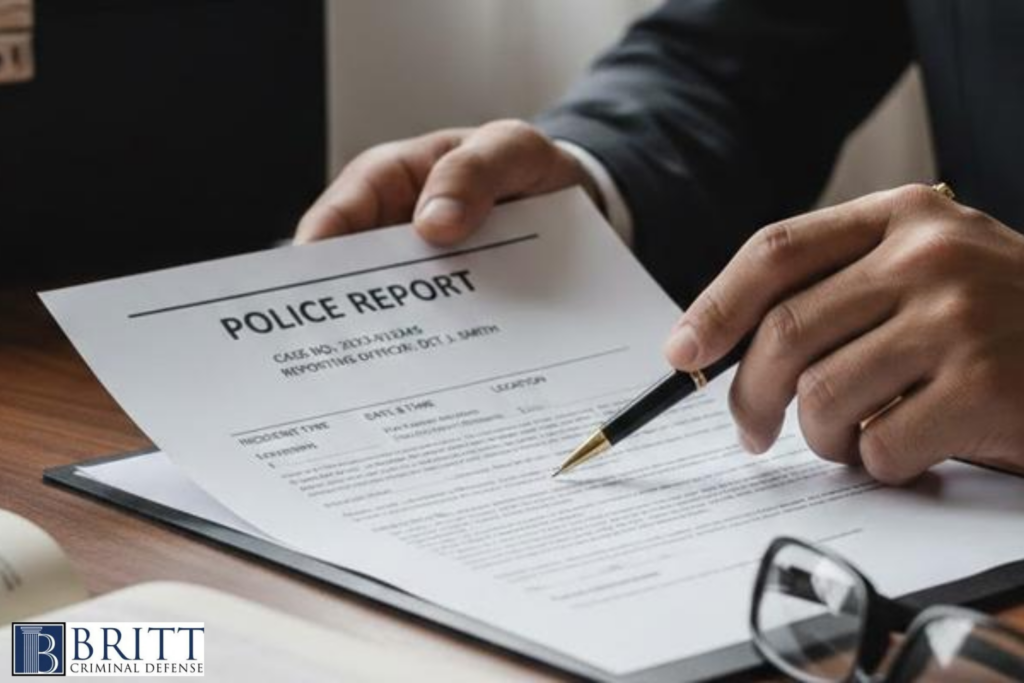
Early engagement allows lawyers to review police reports, gather witness statements, and identify procedural errors that could be critical to your defense. Involving a qualified defense lawyer early in a case significantly improves outcomes and may prevent wrongful convictions.

Common Areas of Criminal Defense

what is criminal defense law

Law firms generally handle a wide array of cases. Common areas include:

Each case requires unique strategies. The best criminal defense law firms understand local court procedures and have resources for thorough investigations. 

This knowledge ensures the defense team can challenge evidence, cross-examine witnesses, and pursue every legal option to protect clients.

For example, DUI cases often involve complex chemical testing and procedural rules. Skilled attorneys can identify errors in testing methods or handling of evidence that may help dismiss charges or reduce penalties.

Choosing the Right Criminal Defense Lawyer

Many clients ask, what are the best law firms for criminal defense? The answer depends on experience, local knowledge, and personal attention. 

At Britt Criminal Defense, clients are never treated as a number. James L. and Rachel E. Britt personally handle every case and are highly familiar with Eastern Shore courts.

Knowing the lawyer’s expertise allows clients to make informed decisions. Lawyers can negotiate reduced charges, alternative sentencing, probation, or treatment programs when appropriate. 

Experienced defense attorneys also guide clients on legal rights during questioning, arrests, and trial, preventing mistakes that could be costly.

How Criminal Defense Lawyers Build a Case

Building a strong defense involves more than attending hearings. Top criminal defense law firms do the following:

  • Conduct thorough investigations
  • Gather and review all evidence
  • Interview witnesses and experts
  • Analyze police procedures for potential violations
  • Identify constitutional rights violations

This process ensures clients receive a defense tailored to the specifics of their case. Experienced attorneys know how to challenge unlawful searches, mishandled evidence, or coerced confessions. 

Proper preparation often leads to reduced charges or dismissals before trial.

Protect Your Future with Experienced Legal Representation

Criminal charges can change your life permanently. Understanding what is criminal defense law ensures you make informed choices when facing criminal accusations. 

At Britt Criminal Defense, our dedicated team will protect your rights, fight for the best possible outcome, and keep you informed at every stage.

Don’t wait. Call us today at 443-944-5705 or contact us for a free consultation. With experienced attorneys by your side, you can confidently face the legal process and preserve your future.


How to Compare Top-Rated Law Firms Near Me: A Step-by-Step Legal Guide

law firms near me

Law firms near me are often the first search people make when facing a legal issue. The challenge is knowing which firm truly fits your needs. 

With so many options available, choosing the right attorney requires more than reading a few reviews. You need a clear method for comparing experience, reputation, and results.

Step 1: Identify Your Legal Needs

Start by understanding the exact legal issue you are facing. Different firms focus on different practice areas. Some handle criminal defense, while other personal injury law firms focus on accident-related matters.

If you were arrested, you need a criminal defense attorney. On the other hand, if you were injured, you may need a car accident lawyer. Knowing your category helps you avoid wasting time with the wrong firms.

Step 2: Research Practice Area Experience

Not all attorneys have the same background. Even within one firm, lawyers may focus on specific areas. Look for detailed descriptions of past cases and services.

Step 3: Check Credentials and Licensing

Always confirm that the attorneys are properly licensed in your state before moving forward. A Maryland law firm must be officially admitted to practice in Maryland courts to legally represent clients.

Licensing proves that a lawyer has met education, testing, and ethical standards. It also shows they are authorized to give legal advice and appear in court on your behalf.

You can verify this information through your state bar association. Most bar websites allow you to search by name and review an attorney’s status.

Look for any disciplinary actions, suspensions, or ethical violations. These records are public and easy to access.

This step protects you from unqualified representation and misleading advertising. It also ensures your case is handled by the best law firms that follow legal rules and professional conduct.

Step 4: Evaluate Reputation and Reviews

Online reviews reveal how firms treat clients. Look beyond star ratings. Read comments about communication, transparency, and results.

Firms listed among the top firms often show consistent feedback across multiple platforms. Avoid firms with repeated complaints about delays or poor communication.

Reputation reflects how a firm operates in real situations.

Step 5: Review Local Court Experience

Salisbury MD Criminal Lawyer

Local knowledge is more important than many clients realize. Lawyers who are familiar with local judges, prosecutors, and court procedures can navigate cases more efficiently and anticipate potential challenges.

When researching top law firms, pay attention to their regional experience. Firms with strong local connections can often negotiate better outcomes, understand unwritten courtroom practices, and strategize more effectively. 

Choosing attorneys with proven experience in local courts increases your chances of a favorable resolution.

Step 6: Compare Communication Style

Your lawyer should explain things clearly. You should never feel confused about your case status. Schedule consultations and note how they communicate. Do they answer directly? Do they explain risks honestly?

The best law firms treat communication as part of their service, not an afterthought.

Step 7: Understand Fee Structures

Legal fees vary widely. Some firms charge flat rates, while others charge by the hour. Ask for written fee agreements. Make sure you understand what is included. Hidden fees often cause disputes later. Transparency builds trust from the beginning.

Step 8: Review Resources and Support

Strong law firms rely on a combination of experienced investigators, subject-matter experts, and advanced legal technology to build a solid case. These resources can make a significant difference in complex legal matters.

When evaluating a Maryland personal injury law firm, check pages like Practice Areas to see the support systems available. This demonstrates how well-prepared the firm is to handle challenging cases and deliver results.

Firms with deeper resources can manage pressure more effectively, respond quickly to new developments, and provide comprehensive representation tailored to your specific legal needs.

Step 9: Compare Case Strategy

Ask how they would approach your situation. Listen for realistic planning, not guarantees. Reliable firms explain both strengths and risks. They prepare for trial even when negotiating. This approach reflects professional integrity.

Step 10: Match the Firm to Your Case Type

Some people compare criminal firms with injury firms. That leads to poor decisions.

A Maryland personal injury law firm differs greatly from a criminal defense firm. Their strategies, evidence, and court procedures differ.

Choose the Right Legal Partner

Selecting the right attorney is not about popularity. It is about experience, trust, and relevance. By comparing services, credentials, communication, and strategy, you can confidently narrow your options.

When your freedom or finances are at stake, informed decisions matter. Use these steps to avoid mistakes and secure a strong representation. The right law firms near me should make you feel supported, informed, and prepared.

Make a Confident Legal Choice Today

Finding the right legal team requires careful research and honest comparison. Do not rush the process or rely on ads alone. Look for real experience, clear communication, and strong local knowledge. 

If you need reliable guidance, Britt Criminal Defense offers experienced representation across Maryland’s Eastern Shore. 

You can reach us through our contact page or call directly at 443-944-5705 to discuss your case and take the first step toward protecting your future with law firms near me.


7 Best Online Platforms to Find a Criminal Defense Attorney Near Me in 2026

criminal defense attorney near me

Finding a criminal defense attorney near me is one of the most urgent decisions you may ever face. An arrest or criminal charge can change your future quickly. 

In 2026, online platforms allow you to research experience, reviews, and local knowledge before making contact. Using the right resources early can protect your rights and improve your chances of a favorable outcome.

1. Google Search and Google Business Profiles

Google is still the starting point for most people searching for legal help. A local search often reveals firms with strong visibility and client feedback. Reviews help identify the best criminal defense attorney near me based on real experiences. 

Always review responses to negative feedback for professionalism. Visit the firm’s website to confirm practice focus and court experience. For example, reviewing a firm’s Salisbury criminal defense lawyer page can show local authority.

2. Avvo

Avvo is widely recognized as a trusted platform for evaluating attorneys across multiple practice areas. Avvo remains a popular legal directory with detailed attorney profiles. It includes ratings, peer endorsements, and client reviews. 

Many profiles also provide insight into criminal defense attorney fees. This helps set expectations before scheduling a consultation. Avvo’s Q&A feature lets users see how attorneys explain complex legal issues. Clear answers often reflect strong communication skills.

3. Justia Lawyers Directory

Justia offers a professional directory focused on credentials and published work. It helps you evaluate each lawyer beyond basic reviews. Many attorneys share articles explaining criminal laws and defenses. This shows depth of knowledge and commitment to education. 

Look for consistent criminal defense lawyer content and Maryland-specific experience. Educational pages, such as DUI defense information, also demonstrate subject focus.

criminal defense attorney near me

4. Nolo Lawyer Directory

Nolo combines legal education with attorney listings. Its directory highlights experience, case focus, and consultation details. 

Nolo profiles often detail what to expect after an arrest, offering clarity that helps ease stress during a difficult time. Acting quickly also allows your attorney to gather evidence, interview witnesses, and build a stronger defense from the start.

5. Martindale-Hubbell

Martindale-Hubbell is one of the oldest legal rating platforms. It focuses on peer-reviewed evaluations for ethical standards and ability. This is useful when searching for the best criminal defense attorney based on professional respect. 

Attorneys with AV Preeminent ratings have strong reputations among peers. This platform is ideal when experience and trust are top priorities.

6. Law Firm Websites and Legal Blogs

An official website often provides the clearest picture of a law firm’s approach. Look for attorney biographies, practice areas, and local court involvement. Strong sites clearly explain defense strategies and client rights. 

Resources like a firm’s criminal defense practice areas page show the scope of representation. Blogs discussing expungement or probation issues add further value.

7. Legal Matching and Review Platforms

Platforms like FindLaw and LegalMatch connect clients with a criminal defense attorney based on case details. You can submit information and receive responses from qualified lawyers. Reviews often highlight responsiveness and communication style. 

These platforms work best when combined with direct website research. Always verify licenses and local experience independently. This extra step helps ensure the attorney is prepared to handle your specific charges.

Factors to Consider When Using Online Platforms

Online tools are helpful, but evaluation matters. Local court experience should be a top priority. A criminal defense lawyer near me understands prosecutors, judges, and procedures.  

Communication style is also critical during stressful proceedings. Aside from that, fee transparency helps avoid surprises later. So, look for attorneys who explain options clearly and promptly.

Internal resources can also help guide your decision. Educational articles on probation violations or expungements show practical knowledge. 

Make a Confident Decision in 2026

Technology makes it easier to compare attorneys, but judgment still matters. Reviews, ratings, and articles should support your instincts, not replace them. Speaking directly with a lawyer helps confirm trust and understanding. 

When your freedom is at risk, local experience and personal attention matter most. If you are searching for a criminal defense attorney near me, consider the proven expertise of Britt Criminal Defense

Schedule a confidential consultation through their contact page or call 443-944-5705 today.


7 Powerful Examples of Evidence That Can Strengthen a Criminal Defense Case

examples of evidence

Examples of evidence can determine whether a criminal case ends in dismissal, acquittal, or conviction. Strong evidence challenges the prosecution’s claims and creates reasonable doubt. 

Understanding how evidence works helps defendants protect their rights and make informed decisions early.

1. Physical Evidence Collected at the Scene

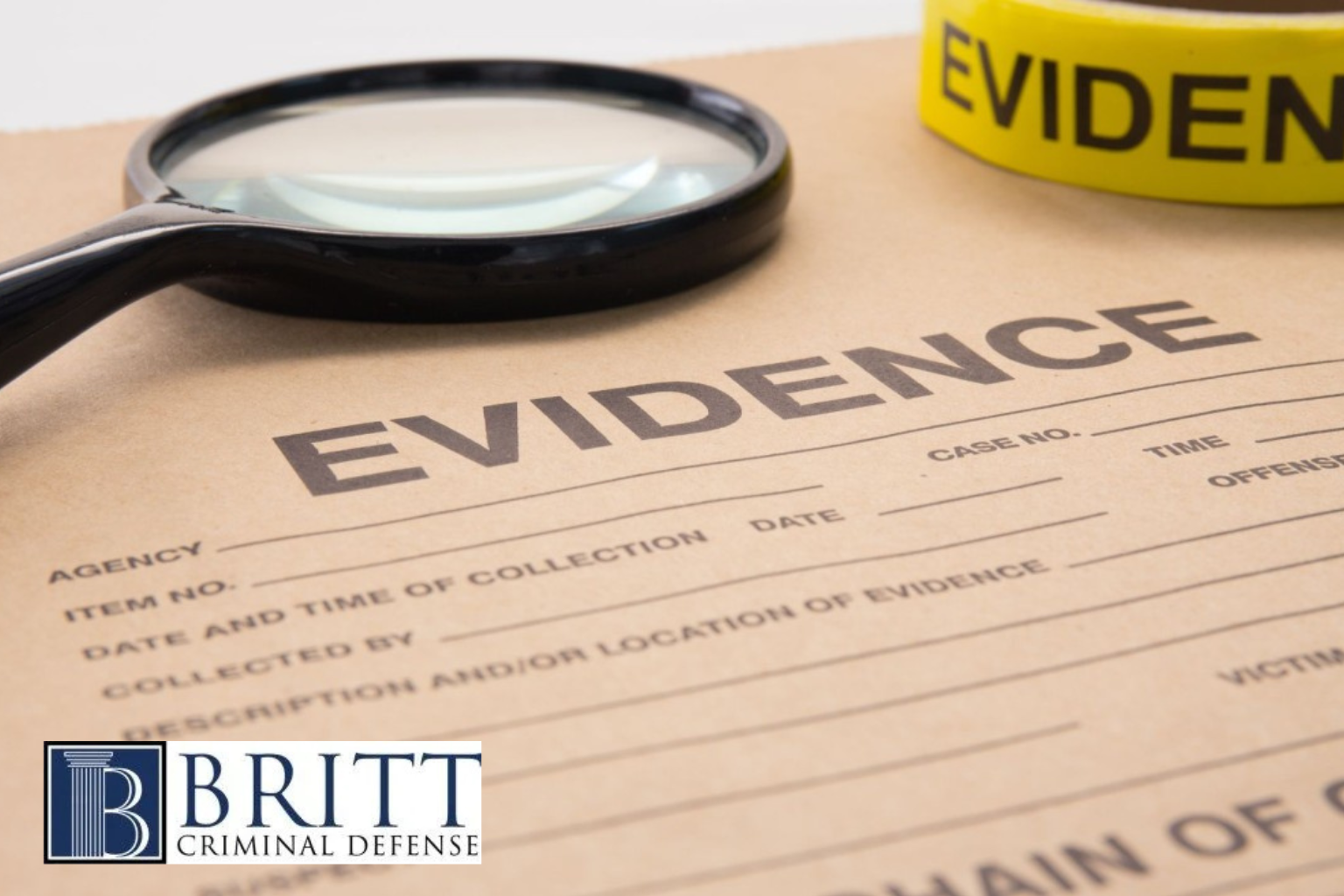
Physical items recovered during an investigation often shape the direction of a case. These items may include weapons, clothing, documents, or electronic devices. Proper handling and collection matter greatly. 

If police mishandled or contaminated items, the evidence may become unreliable. This is one of the most common types of evidence in criminal cases used by prosecutors and challenged by defense attorneys.

A skilled lawyer carefully examines the chain-of-custody records. Any gap can weaken the prosecution’s argument.

2. Forensic Evidence and Scientific Analysis

Scientific testing can either support or undermine criminal charges. DNA, fingerprints, and toxicology reports fall under common forensic evidence. 

While forensic evidence sounds persuasive, it is not always accurate. Lab errors, improper testing methods, or biased interpretations can occur.

Defense attorneys often consult independent experts when it comes to forensic evidence examples. These experts review results and identify inconsistencies that raise doubt. Forensic evidence must meet strict standards before courts accept it.

3. Eyewitness Testimony and Its Limitations

Many cases rely heavily on witness statements. However, memory is imperfect, especially during stressful events. People may misidentify suspects or recall details incorrectly. Some even ask, can eye witness testimony evidence stand alone?

Research shows eyewitness accounts can be unreliable. Defense lawyers analyze lighting conditions, distance, and witness bias. Contradictions in testimony can significantly weaken the prosecution’s case.

examples of evidence

4. Circumstantial Evidence and Logical Inference

Circumstantial evidence relies on inference rather than direct observation. Many people ask, “What is circumstantial evidence, and does it truly prove guilt?” This type of evidence suggests a fact but does not directly confirm it.

Examples include being near a crime scene or possessing related items. Circumstantial evidence matters because courts require multiple supporting facts. Defense attorneys argue alternative explanations to counter these inferences.

5. Digital Evidence and Electronic Records

Modern cases increasingly involve digital footprints. Text messages, emails, GPS data, and social media posts often appear in court. These records can confirm timelines or expose inconsistencies. They are now common types of evidence in criminal law.

However, digital evidence requires proper authentication. Illegal searches or improper warrants may violate constitutional rights. When violations occur, courts may exclude this evidence entirely.

For related defenses, visit our page on drug charges and how digital evidence is often challenged.

6. Surveillance Footage and Video Evidence

Video recordings from businesses, traffic cameras, or homes can clarify disputed events. Footage may contradict police reports or witness statements. Timing, angles, and video quality matter greatly.

Defense attorneys review footage frame by frame. Missing segments or altered recordings raise serious concerns. Video types of evidence in criminal cases often strengthen defenses when it reveals context prosecutors overlook.

Learn more about evidence issues in serious cases on our violent crimes defense page.

7. Expert Testimony and Professional Opinions

Experts provide specialized knowledge beyond ordinary experience. They may include medical professionals, accident reconstructionists, or forensic analysts. Expert testimony explains complex evidence clearly for judges and juries.

Defense experts often effectively counter prosecution conclusions.

Building a Strong Defense Starts with the Right Evidence

Every criminal case depends on credible proof, careful analysis, and strategic presentation. The right attorney knows how to evaluate examples of evidence and expose weaknesses in the prosecution’s case. If you face charges, early guidance matters.

For trusted legal support, contact Britt Criminal Defense today. Schedule a confidential consultation through our contact us page or call 443-944-5705 to protect your future.


Illegal Search and Seizure: How to Tell If Your Rights Were Violated

illegal search and seizure

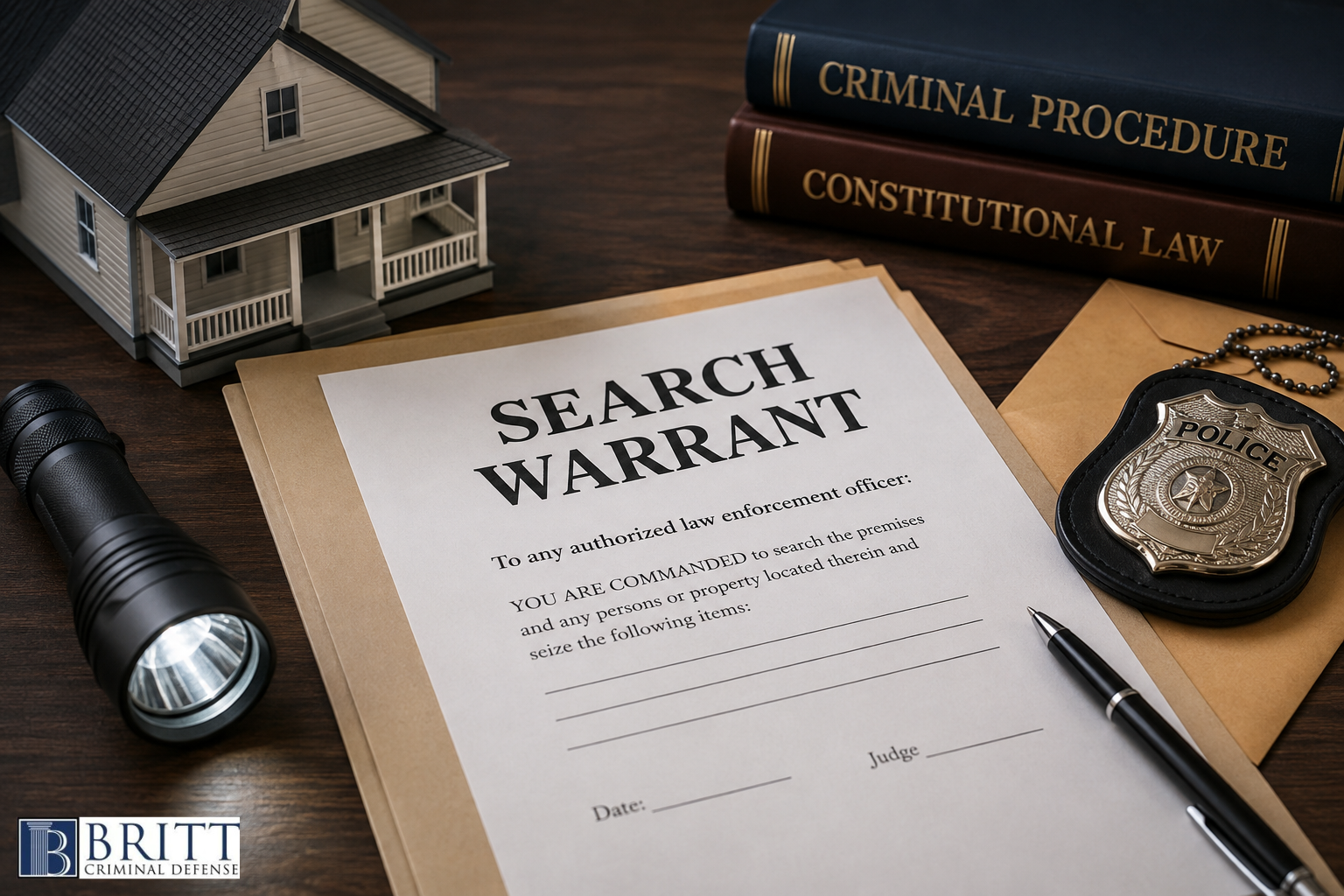
An illegal search and seizure occurs when law enforcement conducts a search or takes property in violation of your constitutional rights. These situations often unfold quickly, leaving people confused and overwhelmed. 

Many individuals unknowingly give up protections that could have shielded them from criminal charges. Understanding how illegal searches happen can help you recognize violations and respond appropriately.

The Constitutional Basis for Search and Seizure Law

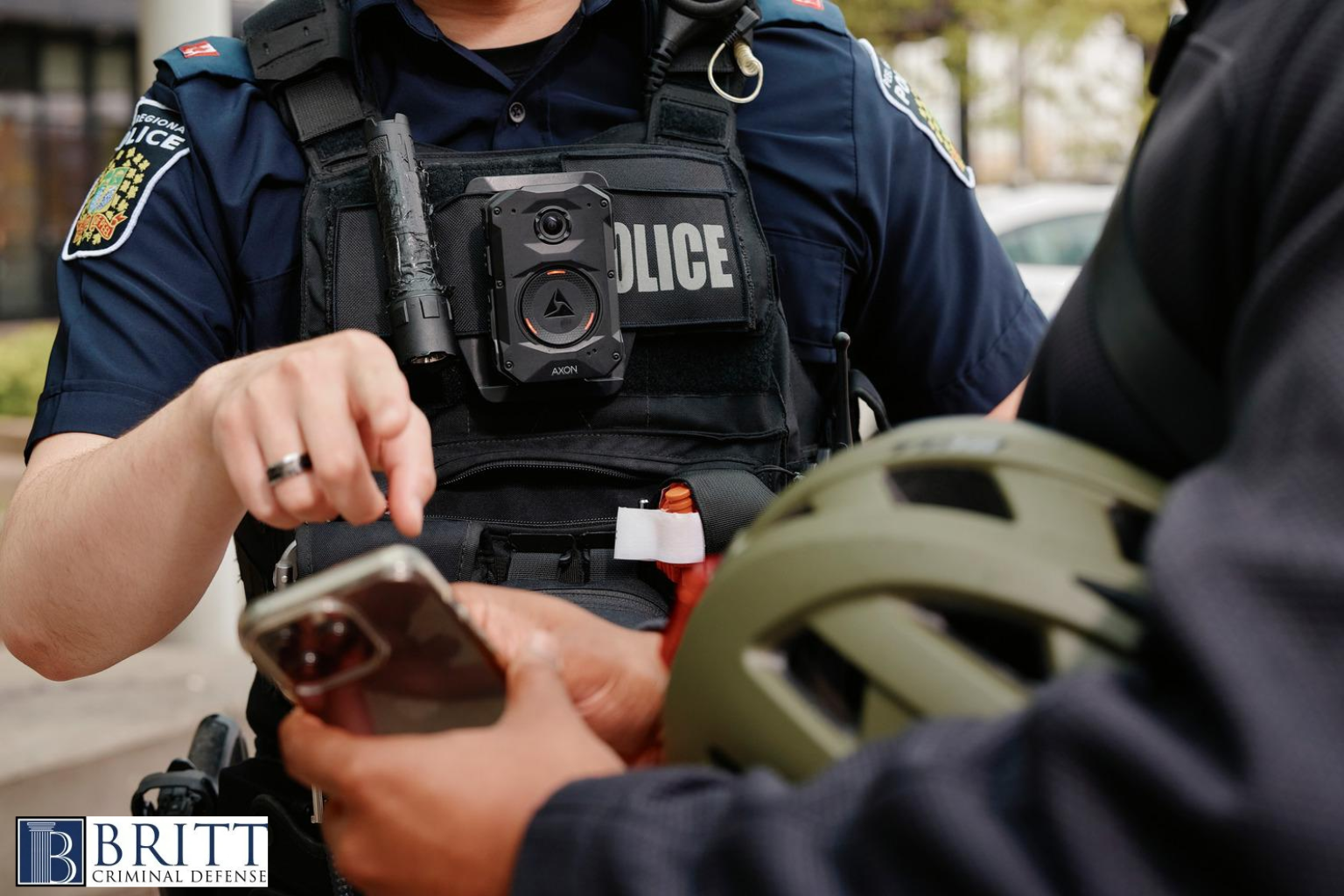
To understand what this is, you must first know the Fourth Amendment. This amendment protects citizens from unreasonable government intrusions. Police officers must generally obtain a valid warrant supported by probable cause.

The illegal search and seizure amendment applies to homes, vehicles, electronic devices, and personal property. Without proper justification, a search may violate constitutional standards. When this happens, the evidence gathered can become legally vulnerable.

Searches Without Warrants

Warrantless searches are one of the most common sources of constitutional violations. Police may search without a warrant only in limited circumstances. These exceptions include consent, exigent circumstances, or searches incident to lawful arrest.

If an officer conducts a search without meeting these standards, the search may be illegal. Many people ask what is an illegal search and seizure in these situations. The answer depends on whether the officer followed strict legal rules.

Traffic Stops and Vehicle Searches

Vehicle searches generate many constitutional challenges. Officers must have probable cause or consent to search your car. A routine traffic stop does not automatically justify a search. Prolonging a traffic stop without reasonable suspicion can also violate your rights. 

Courts closely regulate drug-sniffing dogs and vehicle searches. Any deviation from proper procedure can lead to suppression of evidence in illegal search and seizure cases.

Home Searches and Privacy Expectations

Your home receives the highest level of constitutional protection. Police must usually present a valid warrant before entering. Forced entry without proper justification can render the search invalid.

Even with a warrant, officers must stay within its scope. Searching areas not listed in the warrant may constitute a violation. These mistakes often form the basis for strong defense arguments.

How Courts Review Illegal Searches

Judges carefully analyze the facts surrounding a search with guidance from an illegal search and seizure attorney. Courts examine officer behavior, warrants, reports, and witness statements. If constitutional rules were ignored, evidence may be excluded.

This exclusionary rule exists to deter police misconduct. Suppressing evidence can dramatically weaken the prosecution’s case. In some situations, charges may be dismissed entirely.

The Importance of Legal Representation

An experienced attorney knows how to uncover violations that others miss. These cases require careful review of timelines, reports, and procedures. Minor details can have major legal consequences.

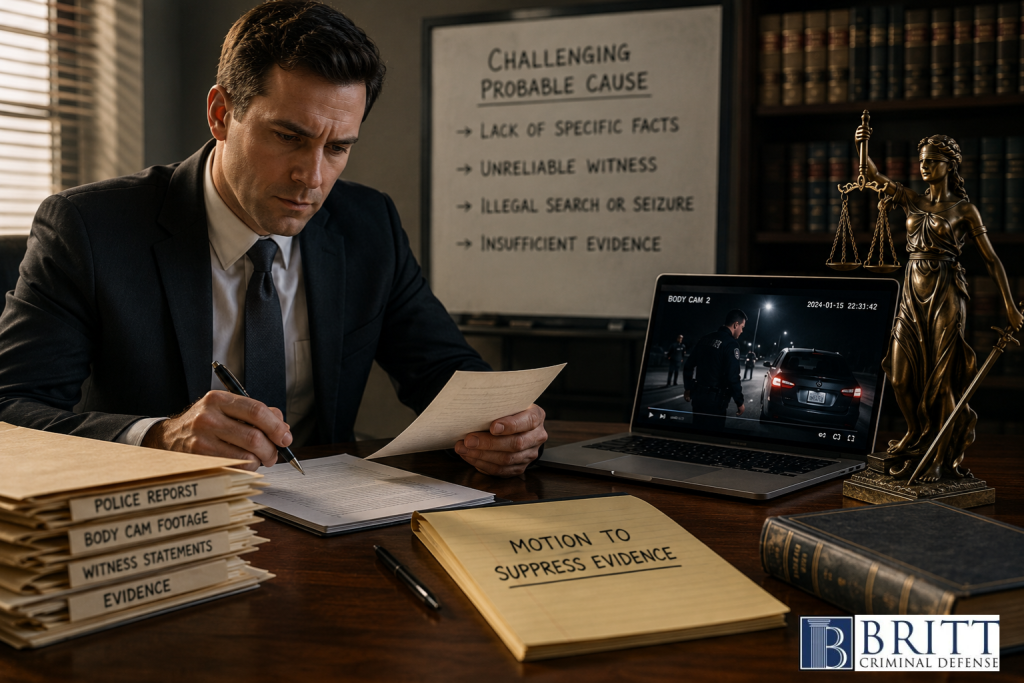
Skilled illegal search and seizure lawyers file motions to suppress unlawfully obtained evidence. Successful motions can reduce charges or eliminate them altogether. Without proper legal advocacy, these opportunities may be lost.

Knowing Your Rights During Police Encounters

illegal search and seizure

Understanding your protection rights is essential during police interactions. You have the right to remain silent. You also have the right to refuse consent to searches.

Politely asserting your rights can prevent officers from overstepping. Never physically interfere with law enforcement. Instead, clearly state that you do not consent and request an attorney.

Consequences of Unchallenged Violations

When violations go unchallenged, unlawfully obtained evidence may still be used despite constitutional protection against illegal search and seizure

This can result in convictions, fines, probation, or incarceration. A criminal record can affect employment, housing, and family relationships.

Early legal action increases the chances of identifying constitutional violations. Waiting too long can limit available defense strategies. Protecting your future requires prompt and informed decisions.

Why Time Matters in These Cases

Police and prosecutors begin building a case immediately after an arrest. Evidence becomes harder to challenge as time passes. Witness memories fade, and documentation becomes entrenched.

Acting quickly allows your defense team to preserve critical details. Early intervention improves outcomes in many illegal search and seizure cases. Your rights deserve immediate protection.

Defending Your Rights Starts with the Right Choice

Illegal searches can undermine the fairness of the criminal justice system and place innocent people at serious risk. Understanding your rights is essential when facing criminal charges based on unlawfully obtained evidence.

When law enforcement crosses constitutional boundaries, your future may be at risk. Strong legal guidance can make all the difference. 

At Britt Criminal Defense, clients receive direct, personalized representation from experienced attorneys. Reach out through the contact us page or call 443-944-5705 today. 

Taking swift action after an illegal search and seizure may be the key to preserving your rights and your freedom.


What Self-Defense Is Legal in Maryland?

self-defense

Self-defense becomes a legal necessity when someone threatens your safety or life. Maryland law recognizes your right to protect yourself, but strict guidelines govern when and how you can act. Knowing these rules could mean the difference between freedom and facing serious criminal charges.

When Does Maryland Allow Defensive Action?

Maryland courts demand proof that you faced genuine danger before allowing defensive claims. The threat must be immediate and real, not imagined or based on past events. Someone yelling harsh words doesn’t create grounds for physical retaliation.

Your response must match the level of danger you faced. A simple push doesn’t justify pulling a knife. The law expects you to use only the force necessary to stop the threat. Self-defense weapons can be legally used only when the situation truly justifies their deployment.

Home Protection Under Maryland Law

Your home offers the strongest legal protection for defensive actions. Maryland follows castle doctrine principles, meaning you don’t have to retreat when someone breaks into your house.

However, even the castle doctrine has limits. You cannot shoot someone who’s already leaving your property. The threat must still be active and dangerous. Courts will examine whether your actions were reasonable given the circumstances.

Public Confrontations and Retreat Requirements

Imperfect self-defense applies when you genuinely believed you were in danger, but your belief was unreasonable. This legal concept can reduce charges, but won’t eliminate them. Courts examine your state of mind during the incident.

In addition, Maryland requires you to retreat from dangerous situations in public when safely possible. You must attempt to walk away before using force. Only when escape isn’t feasible does the law permit defensive action.

Protecting Others From Harm

You can legally defend another person under the same conditions that would justify defending yourself. The danger must be immediate, and the response proportional. The best self-defense martial arts training teaches you to assess threats accurately and respond appropriately.

Your defensive action cannot exceed what the victim could legally do themselves. The law holds you to the same standards whether protecting yourself or others.

Legal Standards and Court Evaluation

The law in Maryland requires meeting specific criteria before actions are justified. When you’re facing charges, prosecutors will dig deep into every aspect of what happened that day – they’ll want to know exactly how the whole situation started and what led up to the confrontation. If you and the other person had run-ins before, that history is going to come up in court and could influence how the judge and jury see your side of the story.

Self-defense law in Maryland demands clear proof that your actions were necessary and reasonable.

Common Mistakes That Invalidate Claims

Maryland laws don’t protect actions motivated by anger or revenge. Acting after the danger has passed removes legal protection. Chasing someone who’s already retreating cannot be justified as a defensive action.

Using excessive force also destroys legal protection. Drawing a weapon against an unarmed person who poses minimal threat will likely result in criminal charges. The punishment must fit the crime, and your response must fit the threat.

Geographic Differences in Application

Self-defense in Maryland isn’t a one-size-fits-all situation – where you are when something happens can completely change the rules of the game. If you’re defending yourself at work, at school, or in a government building, you’re dealing with a whole different set of restrictions than if you were just walking down the street. A lot of these places won’t let you carry any kind of weapon at all, which really ties your hands when it comes to defending yourself.

Getting a handle on these location-based differences can save you from making a costly mistake. Something that might be perfectly legal if it happened in your own home could land you in serious trouble if it goes down in a store or restaurant. When you end up in court, the judge is going to care a lot about exactly where everything took place.

When You Need Legal Representation

Being charged after defending yourself creates a complex legal situation. Police investigations don’t always capture the complete story. A self-defense lawyer’s representation becomes essential when prosecutors pursue charges despite justified actions.

A skilled attorney examines evidence, interviews witnesses, and builds strong defensive strategies. They understand how to present your case effectively to prosecutors and juries. All these experiences make the difference between conviction and acquittal.

Building a Strong Defense Case

Courts require substantial evidence to support defensive claims. Medical records, witness statements, and security footage help establish the facts. Expert witnesses can explain the reasonableness of your actions. Your self-defense attorney will gather this evidence and present it persuasively.

These professionals can walk the jury through what was going through your mind in that moment and explain why what you did made sense, given the danger you were facing. When an expert takes the stand, juries tend to really listen to what they have to say.

Take Action to Protect Your Future

Knowing how Maryland’s self-defense laws work can help you make the right call when you’re in a scary situation. However, if you’re facing charges after defending yourself, immediate legal help is crucial. Don’t let prosecutors twist your protective actions into criminal behavior.

Self-defense cases require skilled legal representation to protect your rights and freedom. Contact Britt Criminal Defense immediately. Our team knows Maryland’s defensive laws and will fight for your rights.

Contact us now or call 443-944-5705 for your free consultation.


What Is Felony Theft in Maryland?

felony theft in Maryland

Theft is taking something that does not belong to you. When the value of what is stolen is high, Maryland law considers it felony theft. This crime carries serious consequences. Understanding what counts as felony theft and its penalties can help you see the weight of these charges and the importance of addressing them.

Defining Felony Theft in Maryland

In Maryland, theft becomes a felony when the value of the stolen property or services is $1,500 or more. This includes goods, money, or services that are unlawfully taken. Theft involving items valued between $1,500 and $25,000 is classified as a felony, with increasing penalties for higher amounts. Stealing items worth less than $1,500 is usually considered misdemeanor theft, which has lighter penalties. The distinction is based solely on the value of what was stolen. It does not depend on whether the theft involved a person, a business, or even the state.

Penalties for Felony Theft

Maryland law imposes significant penalties for felony theft. If the value of the stolen property is between $1,500 and $25,000, the maximum sentence is five years in prison and a fine of up to $10,000. For theft of property worth between $25,000 and $100,000, the maximum penalty increases to ten years in prison and a fine of up to $15,000. Stealing items worth $100,000 or more can result in a prison sentence of up to 20 years and a fine of up to $25,000. These penalties can also include restitution, which means paying back the value of what was stolen.

Examples of Felony Theft

Felony theft covers a wide range of crimes. Shoplifting expensive electronics, embezzling funds from a company, or stealing a luxury car can all qualify as felony theft. Even services can count. For example, hiring a contractor to do work and refusing to pay could lead to felony charges if the service’s value exceeds $1,500. The law applies to tangible items like jewelry or furniture and intangible assets like credit card information or intellectual property.

A Historical Perspective on Theft Laws

Theft laws have existed for centuries, rooted in the idea of protecting ownership. In medieval times, stealing a single cow could result in severe punishment because livestock represented a person’s livelihood. While the penalties today are not as extreme, the concept remains. Modern laws aim to deter theft and protect victims’ rights, balancing punishment with the opportunity for rehabilitation.

Defenses Against Felony Theft Charges

Defending against felony theft charges requires a careful approach. Proving ownership or consent can be key. For example, if someone gave you permission to borrow an item and later claimed it was stolen, you might have a valid defense. Other defenses include mistaken identity or a lack of intent to steal. The prosecution must show that you knowingly and willfully took the property with the intent to deprive the owner of it. A strong defense can challenge these claims and potentially reduce or dismiss charges.

Why Addressing Felony Theft Matters

A felony theft conviction can have lasting effects on your life. Beyond prison time and fines, it creates a permanent criminal record. This can impact job opportunities, housing applications, and even relationships. Employers and landlords often perform background checks, and a felony conviction can close doors to opportunities. Fighting these charges with a strong defense is essential to protect your future.

Take Action Now

Felony theft in Maryland is a serious charge that can carry life-changing consequences. Understanding the laws and penalties is the first step in building a defense. If you or someone you know faces felony theft charges, act quickly. Visit Britt Criminal Defense to learn how we can help protect your rights and fight for the best possible outcome. Every case deserves careful attention and a strong defense. Call us today at 443-944-5705.


Is a Defense Lawyer and Criminal Lawyer the Same?

defense lawyer and criminal lawyer

The terms defense lawyer and criminal lawyer can seem confusing. On the surface, they may appear interchangeable, but they have subtle differences. Understanding these roles can help you see how they apply to legal cases. Think of it like comparing two types of builders. Both can construct homes, but one might specialize in roofing while the other focuses on foundations. Let’s break it down.

What Is a Defense Lawyer?

A defense lawyer is someone who defends people accused of wrongdoing. This role can extend beyond criminal cases. Defense lawyers handle both civil and criminal matters. In civil cases, they defend people or businesses facing lawsuits over things like money disputes or injuries. In criminal cases, they represent people accused of crimes, from misdemeanors to felonies. Their job is to protect the rights of the accused and ensure a fair trial. Defense lawyers can work in private practice, for a law firm, or as public defenders appointed by the court.

What Is a Criminal Lawyer?

A criminal lawyer focuses only on criminal cases. They defend people accused of breaking the law and may also work as prosecutors who bring charges against individuals. Criminal lawyers understand criminal law inside and out. They deal with charges like theft, drug possession, assault, and even serious crimes like murder. Their role involves investigating evidence, negotiating with prosecutors, and presenting arguments in court. Criminal lawyers aim to reduce penalties, dismiss charges, or secure not guilty verdicts for their clients.

Key Differences Between Defense and Criminal Lawyers

The main difference lies in the scope of their work. Defense lawyers handle a wide range of cases, while criminal lawyers specialize in crimes. A criminal lawyer is always a type of defense lawyer, but not all defense lawyers are criminal lawyers. Imagine a historical figure like Clara Barton, who provided aid to soldiers during the Civil War. She focused on helping the injured, while others worked on broader issues like strategy and logistics. Similarly, criminal lawyers focus solely on criminal cases, while defense lawyers cover more ground.

Another difference is the settings where they work. Defense lawyers might defend someone in a personal injury lawsuit one day and a criminal trial the next. Criminal lawyers, however, deal only with violations of the law. The skills and expertise required for these roles often overlap. Both types of lawyers need to build strong cases, cross-examine witnesses, and argue effectively in court. Yet, a criminal lawyer’s deep knowledge of criminal statutes sets them apart.

Why the Distinction Matters

Knowing the difference can help you choose the right lawyer for your situation. If you face a criminal charge, hiring a lawyer who specializes in criminal law can be a game-changer. Their experience in this area means they understand the stakes and how to navigate the legal system. If your case is civil, a general defense lawyer might be a better fit. Think of it like seeing a doctor. For a broken arm, you go to an orthopedic specialist. For general health concerns, you visit a family doctor. Choosing the right lawyer ensures you get the best possible representation.

When to Seek Help

Facing legal issues can feel overwhelming. Having a knowledgeable lawyer on your side makes all the difference. Criminal cases can impact your freedom, reputation, and future. Working with a skilled criminal lawyer ensures your rights are protected every step of the way. From building a defense to negotiating plea deals, they focus on minimizing the impact of the charges against you. Civil cases may not carry the same penalties, but they can still have significant financial and emotional consequences. A defense lawyer helps you navigate these challenges.

Take Action Today and Work with a Defense Lawyer and Criminal Lawyer

Whether you need a defense lawyer or a criminal lawyer, it is essential to act quickly. Legal matters require careful attention and experienced representation. If you are facing criminal charges or have questions about your legal options, do not wait. Visit Britt Criminal Defense to learn more about how we can help you. Take control of your case and start protecting your future today. Call us at 443-944-5705.


How Much Does It Cost to Expunge a Record in Maryland?

Expunge a record in Maryland

Clearing your criminal record can feel like wiping away a smudge that has been holding you back. Expungement gives people a fresh start and opens doors to new opportunities. The cost to expunge a record in Maryland depends on several factors, including filing fees and whether you hire legal help. Let’s break it down step by step so you can understand what to expect.

Filing Fees for Expungement in Maryland

The Maryland court system charges a filing fee for expungement requests. This fee is generally $30 for most cases. However, some charges do not require a filing fee. If your case resulted in a “not guilty” verdict, an acquittal, or a dismissal, you usually do not have to pay anything to file. The same applies if your charge was resolved with a nolle prosequi or stet, which means the prosecution decided not to pursue the case further or placed it on an inactive docket. These outcomes often allow for fee waivers. However, if your case ended with a probation before judgment (PBJ), you will likely need to pay the $30 fee unless the charge was for certain nuisance crimes. It is important to check the specifics of your case before filing.

Additional Costs to Consider

Filing fees are not the only expense to think about. Preparing an expungement petition can involve other costs, especially if you choose to work with a lawyer. Many people find the process confusing, which is why they hire an attorney to guide them through it. Attorney fees vary depending on the complexity of your case and the time required. Some lawyers charge flat fees for expungements, which can range from $500 to $1,000 or more. Others may charge hourly rates, which typically range from $150 to $300 per hour. While this might seem like a significant expense, having legal guidance can save time and reduce the risk of making errors in your petition.

The Value of Expungement

Imagine your criminal record is like carrying an old, heavy backpack everywhere you go. Expunging your record is like finally setting that backpack down. It can give you freedom and peace of mind. Once your record is cleared, you can apply for jobs, housing, and professional licenses without fear of being rejected because of your past. Employers and landlords often run background checks, and even minor charges can create obstacles. Expungement removes this burden and allows you to move forward without unnecessary stigma.

How to Reduce Costs

If cost is a concern, there are ways to make the process more affordable. Maryland courts offer a “Request for Waiver of Prepaid Costs” form for those who cannot afford filing fees. You must show proof of financial hardship, such as low income or unemployment, to qualify. Some legal aid organizations and pro bono lawyers also provide free or low-cost assistance for expungements. These resources can help you navigate the system without adding financial stress.

When Is Expungement Worth It?

The cost of expunging a record might seem high at first, but the long-term benefits often outweigh the expense. Historical figures like Alexander Hamilton understood the value of starting over. Hamilton, born into poverty and a scandalous past, worked tirelessly to build his reputation and overcome his early struggles. Expungement works in a similar way by giving people a clean slate to rebuild their lives. It is an investment in your future, allowing you to reclaim opportunities that may otherwise remain out of reach.

Take Action Today

Expunging your record in Maryland is a life-changing process that comes with manageable costs. The $30 filing fee is a small price to pay for freedom from your past. Hiring an attorney might add to the expense, but their expertise ensures the process is done right. If you are ready to clear your record and take back control of your life, start now. Visit Britt Criminal Defense to learn more and take the first step toward your fresh start.