
 443-944-5705

Illegal Search and Seizure: How to Tell If Your Rights Were Violated
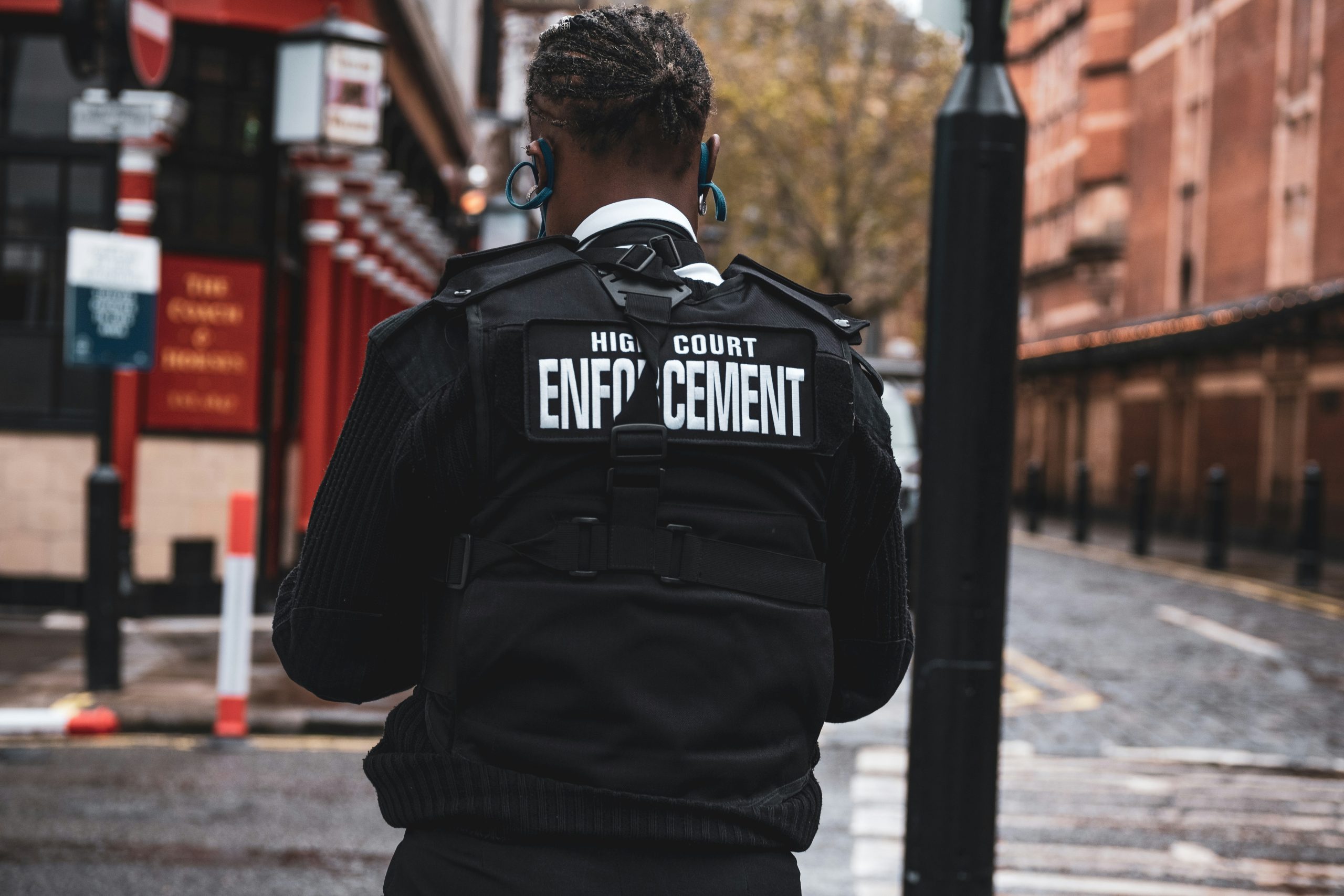
An illegal search and seizure occurs when law enforcement conducts a search or takes property in violation of your constitutional rights. These situations often unfold quickly, leaving people confused and overwhelmed.
Many individuals unknowingly give up protections that could have shielded them from criminal charges. Understanding how illegal searches happen can help you recognize violations and respond appropriately.
The Constitutional Basis for Search and Seizure Law
To understand what this is, you must first know the Fourth Amendment. This amendment protects citizens from unreasonable government intrusions. Police officers must generally obtain a valid warrant supported by probable cause.
The illegal search and seizure amendment applies to homes, vehicles, electronic devices, and personal property. Without proper justification, a search may violate constitutional standards. When this happens, the evidence gathered can become legally vulnerable.
Searches Without Warrants
Warrantless searches are one of the most common sources of constitutional violations. Police may search without a warrant only in limited circumstances. These exceptions include consent, exigent circumstances, or searches incident to lawful arrest.
If an officer conducts a search without meeting these standards, the search may be illegal. Many people ask what is an illegal search and seizure in these situations. The answer depends on whether the officer followed strict legal rules.
Traffic Stops and Vehicle Searches
Vehicle searches generate many constitutional challenges. Officers must have probable cause or consent to search your car. A routine traffic stop does not automatically justify a search. Prolonging a traffic stop without reasonable suspicion can also violate your rights.
Courts closely regulate drug-sniffing dogs and vehicle searches. Any deviation from proper procedure can lead to suppression of evidence in illegal search and seizure cases.
Home Searches and Privacy Expectations
Your home receives the highest level of constitutional protection. Police must usually present a valid warrant before entering. Forced entry without proper justification can render the search invalid.
Even with a warrant, officers must stay within its scope. Searching areas not listed in the warrant may constitute a violation. These mistakes often form the basis for strong defense arguments.
How Courts Review Illegal Searches
Judges carefully analyze the facts surrounding a search with guidance from an illegal search and seizure attorney. Courts examine officer behavior, warrants, reports, and witness statements. If constitutional rules were ignored, evidence may be excluded.
This exclusionary rule exists to deter police misconduct. Suppressing evidence can dramatically weaken the prosecution’s case. In some situations, charges may be dismissed entirely.
The Importance of Legal Representation
An experienced attorney knows how to uncover violations that others miss. These cases require careful review of timelines, reports, and procedures. Minor details can have major legal consequences.
Skilled illegal search and seizure lawyers file motions to suppress unlawfully obtained evidence. Successful motions can reduce charges or eliminate them altogether. Without proper legal advocacy, these opportunities may be lost.
Knowing Your Rights During Police Encounters

Understanding your protection rights is essential during police interactions. You have the right to remain silent. You also have the right to refuse consent to searches.
Politely asserting your rights can prevent officers from overstepping. Never physically interfere with law enforcement. Instead, clearly state that you do not consent and request an attorney.
Consequences of Unchallenged Violations
When violations go unchallenged, unlawfully obtained evidence may still be used despite constitutional protection against illegal search and seizure.
This can result in convictions, fines, probation, or incarceration. A criminal record can affect employment, housing, and family relationships.
Early legal action increases the chances of identifying constitutional violations. Waiting too long can limit available defense strategies. Protecting your future requires prompt and informed decisions.
Why Time Matters in These Cases
Police and prosecutors begin building a case immediately after an arrest. Evidence becomes harder to challenge as time passes. Witness memories fade, and documentation becomes entrenched.
Acting quickly allows your defense team to preserve critical details. Early intervention improves outcomes in many illegal search and seizure cases. Your rights deserve immediate protection.
Defending Your Rights Starts with the Right Choice
Illegal searches can undermine the fairness of the criminal justice system and place innocent people at serious risk. Understanding your rights is essential when facing criminal charges based on unlawfully obtained evidence.
When law enforcement crosses constitutional boundaries, your future may be at risk. Strong legal guidance can make all the difference.
At Britt Criminal Defense, clients receive direct, personalized representation from experienced attorneys. Reach out through the contact us page or call 443-944-5705 today.
Taking swift action after an illegal search and seizure may be the key to preserving your rights and your freedom.