
 443-944-5705


Bench Warrant: Common Reasons Courts Issue One and How to Resolve It
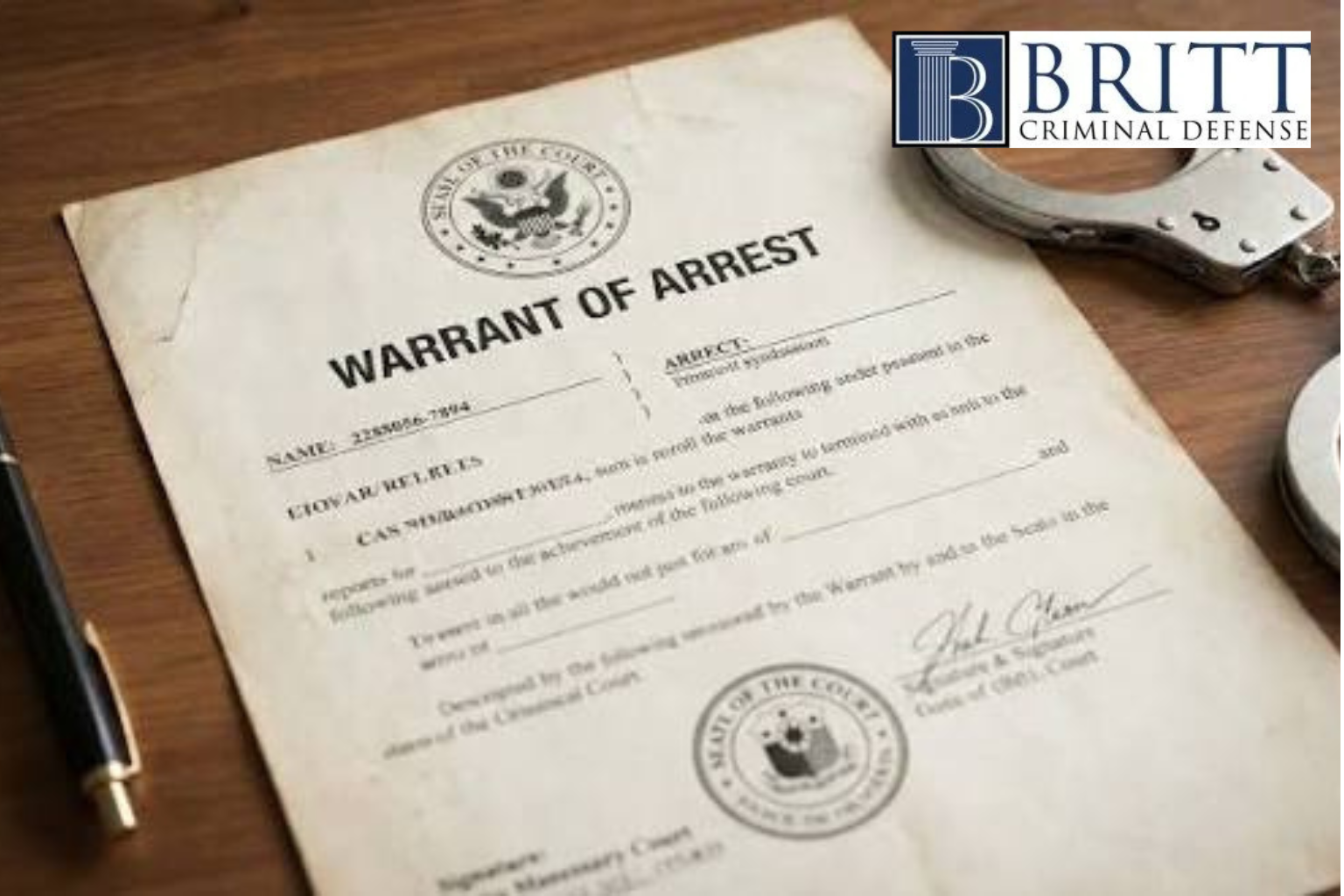
Missing a court date can happen for several reasons, but the consequences can be more serious than you might expect. If you missed a scheduled appearance in Maryland, a judge may issue a bench warrant authorizing law enforcement to arrest you. This can leave you worried about being taken into custody unexpectedly or unsure about what to do next.
However, receiving a bench warrant does not mean you have no options. The right steps depend on your case, the court, and why you missed your appearance. Getting prompt legal guidance can help you understand how to address the warrant and avoid making the situation worse.
Common Reasons Courts Issue a Bench Warrant
Courts may issue these orders for several reasons, often when someone fails to meet a legal obligation or follow court instructions. Understanding what can trigger one can help you recognize potential legal consequences and take steps to address the situation.
1. Missing a Scheduled Court Appearance
Missing a hearing, trial, or required proceeding is a common reason. Maryland rules allow an outstanding warrant to be executed through arrest. If you are unsure what is a bench warrant, verify the current case status.
Maryland’s Case Search provides case information, but it is not the official court record. A missed court appearance can result in a bench warrant and possible arrest in Maryland.
2. Failing to Follow a Court Order
Defendants may have obligations beyond appearing in court. Examples include:
- Missing a required hearing
- Violating release conditions
- Ignoring a required appearance
- Failing to complete a court-directed obligation
The consequence depends on the order and circumstances.
This type of court order gives law enforcement the authority to arrest the person named in it. However, it does not establish guilt or mean the person has been convicted of the underlying charge. Under Maryland Rule 4-212, anyone arrested must be promptly brought before a judicial officer for further proceedings.
3. Confusion About a Court Date
Dates can be misunderstood, notices can be missed, or schedules can change. Those circumstances do not necessarily prevent a warrant from being issued.
People often ask, how long will you be in jail for a bench warrant. There is no universal answer. Detention can depend on the warrant, underlying charges, court availability, and release decision. Missing court dates can lead to bench warrants and possible jail detention.
4. Leaving a Requirement Unresolved
A prior obligation can remain unresolved even when months have passed. Time alone does not necessarily eliminate an outstanding warrant. Determine whether it remains active, then identify the issuing court and required procedure.
Bail also has no single amount for every warrant. How much is bail for a bench warrant depends on the case and judicial determination. Maryland Courts explain that bail helps ensure an arrested person appears as required.
5. Failing to Appear After Release
Being released on bail does not excuse a defendant from attending scheduled court hearings. If someone fails to appear as required, the court may issue an arrest order and forfeit the bail. This can create additional legal and financial consequences beyond the original charges.
Steps to Resolve an Active Warrant
Start by confirming the warrant, issuing court, case number, and reason. Discuss the safest procedure with counsel.
Avoiding an Unnecessary Arrest
Many people ask how to clear a bench warrant without going to jail. The answer depends on the issuing court and circumstances. Do not assume voluntary surrender is always the only option. Court procedures can differ based on the warrant and underlying case.
The court may require a specific filing, appearance, or bond review. Local procedures and case details can affect the safest response and timing. These details can affect how quickly the court responds.
Resolve a Bench Warrant Before It Escalates

So, is a bench warrant serious? Yes. A warrant can expose you to arrest and disrupt daily responsibilities.
An active warrant deserves prompt attention. The next step depends on the court and case. Britt Criminal Defense can review an active Maryland warrant and explain available options.
Call 443-944-5705 or use our contact page. Early action can help you understand the court’s expectations, prepare for required proceedings, and avoid preventable complications.
Frequently Asked Questions
What does it mean by a bench warrant?
A bench warrant is a court order authorizing law enforcement to arrest someone, often for missing a required court appearance. The bench warrant meaning does not imply guilt for the underlying charge.
How long do you stay in jail for a bench warrant in SC?
How long will you be in jail for a bench warrant in South Carolina depends on the underlying charge, bond eligibility, and court availability. There is no universal detention period for every warrant.
Who will serve the bench warrant?
Law enforcement officers generally execute bench warrants by arresting the named person. If you wonder how to clear a bench warrant without going to jail, contact the issuing court or a Maryland defense attorney to discuss available legal options.