
 443-944-5705


Criminal Court Process: Every Step From Arrest to Verdict
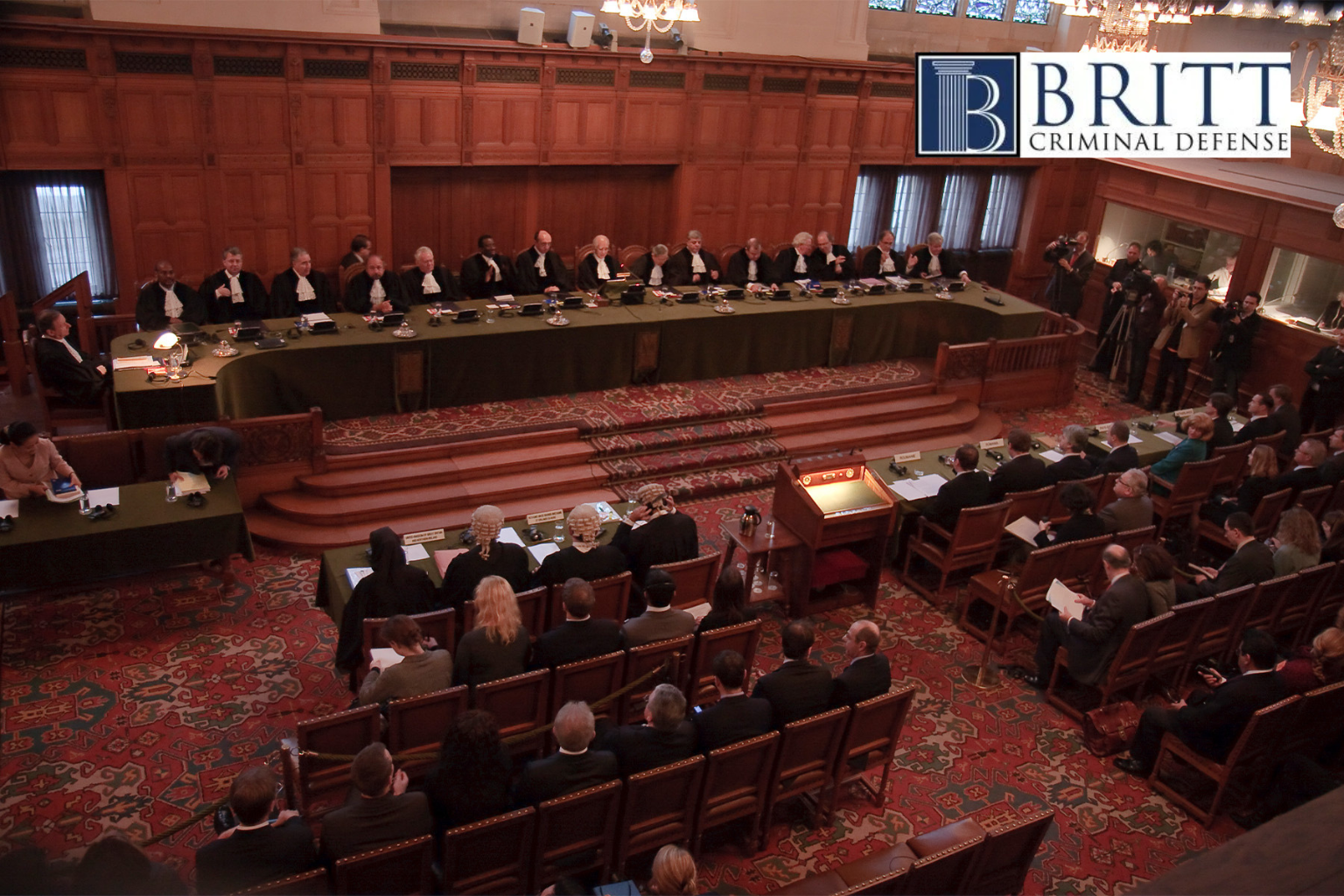
The criminal court process can feel confusing after an arrest. Maryland cases may proceed in District Court or Circuit Court, depending on the charge. Some matters end through dismissal or negotiation.
Understanding the sequence helps defendants prepare for court dates, deadlines, and important decisions. It also clarifies what each hearing means and where defense counsel may challenge evidence or protect procedural rights from the start.
Court Assignment
Maryland uses District Court and Circuit Court for criminal matters. District Court handles most misdemeanors and certain other matters. Circuit Courts generally handle more serious criminal cases and jury trials. The criminal court hearing process varies by charge and court. Some defendants attend several hearings before trial. Others resolve their cases earlier. Court assignment also affects available trial options.
Preparation and Discovery
Before trial, both sides review evidence and investigate allegations. Discovery may include police reports, recordings, photographs, test results, documents, and witness information. Defense counsel may examine police procedures, evidence collection, statements, and witness accounts.
Motions may challenge evidence or other legal issues. Plea negotiations may also occur. Understanding what is the court process of a criminal case requires recognizing that major decisions often happen before trial.
For additional guidance, review our firm’s information about probable cause.
Pleas and Negotiations
A defendant may plead guilty, not guilty, or enter another available plea. Plea discussions can involve reduced charges, sentencing recommendations, or other lawful resolutions. A plea can resolve a case without trial.
Accepting one has consequences and should follow informed legal advice. The defendant generally decides whether to accept an agreement. If the case continues, the criminal court trial process focuses on evidence, witnesses, objections, and legal issues before the judge or jury.
DUI Cases
DUI cases can involve criminal and administrative consequences. Police may conduct field sobriety testing and request chemical testing. The MVA may also act against driving privileges. Defense review can include the traffic stop, testing procedures, officer observations, and related evidence.
Maryland’s MVA explains that certain DUI arrests can result in an Order of Suspension and separate administrative proceedings. These issues make the dui criminal court process different from a typical criminal case. The administrative side may proceed separately. Review the notice promptly because deadlines can affect available options. For related information, see our firm’s DUI and DWI defense.
Federal Cases
Federal prosecutions use federal courts, rules, and procedures. A case may involve an initial appearance, release or detention, arraignment, discovery, motions, plea negotiations, trial, and sentencing. Federal cases can involve different agencies, prosecutors, deadlines, and sentencing rules.
State procedures should not be assumed to apply automatically. The federal criminal court process still requires the government to prove guilt beyond a reasonable doubt. Federal court practice can differ substantially from Maryland state proceedings.
Trial and Verdict
When a case reaches trial, the prosecution generally presents evidence first. Defense counsel may cross-examine witnesses and challenge evidence. The defense may present evidence when appropriate. The judge resolves legal questions, while a judge or jury determines the verdict. A guilty verdict moves the case toward sentencing.
The sentecing process in criminal court determines legal consequences after conviction or a guilty plea. Sentencing depends on the offense and applicable law. The court considers the governing statute and facts presented during sentencing. Counsel can explain possible consequences and available arguments.
Resolution
Criminal cases can end through dismissal, a plea, a trial verdict, or another lawful disposition. A conviction may lead to probation, incarceration, fines, or other consequences. Available review options depend on the court, ruling, and deadlines.
Understanding what is the court process for criminal charges helps defendants recognize that cases do not always follow one fixed path. Some matters require additional hearings after judgment. For more information about related cases, review misdemeanor charges.
Defense and Next Steps
Early legal advice can clarify charges, deadlines, evidence, and upcoming hearings. Counsel can identify issues affecting negotiations or trial strategy. Britt Criminal Defense handles DUI, DWI, misdemeanor, felony, domestic violence, theft, sex crime, drug, and other criminal charges..
Understanding the criminal court process can make an unfamiliar situation easier to navigate. For guidance, call 443-944-5705 or visit our contact page. Britt Criminal Defense provides additional information about its legal team.
Frequently Asked Questions
What are the stages of the criminal process?
The criminal process typically includes investigation, charges, arrest, hearings, pretrial proceedings, plea negotiations, trial, and sentencing. The criminal court hearing process varies by offense and court, and some cases end in dismissal or diversion.
What are the 13 steps of decision making in the criminal justice system?
There is no universal 13-step process. The federal criminal court process and state procedures vary, but decisions commonly involve investigation, charging, release, plea negotiations, trial, sentencing, and appeals.
Who goes first in a criminal case?
The prosecution generally presents its case first at trial because it must prove guilt beyond a reasonable doubt. The criminal court trial process includes opening statements, evidence, witness testimony, closing arguments, and a verdict. If convicted, the defendant proceeds to the sentencing process in criminal court.