
 443-944-5705

Reasonable Suspicion vs. Probable Cause: What’s the Difference?
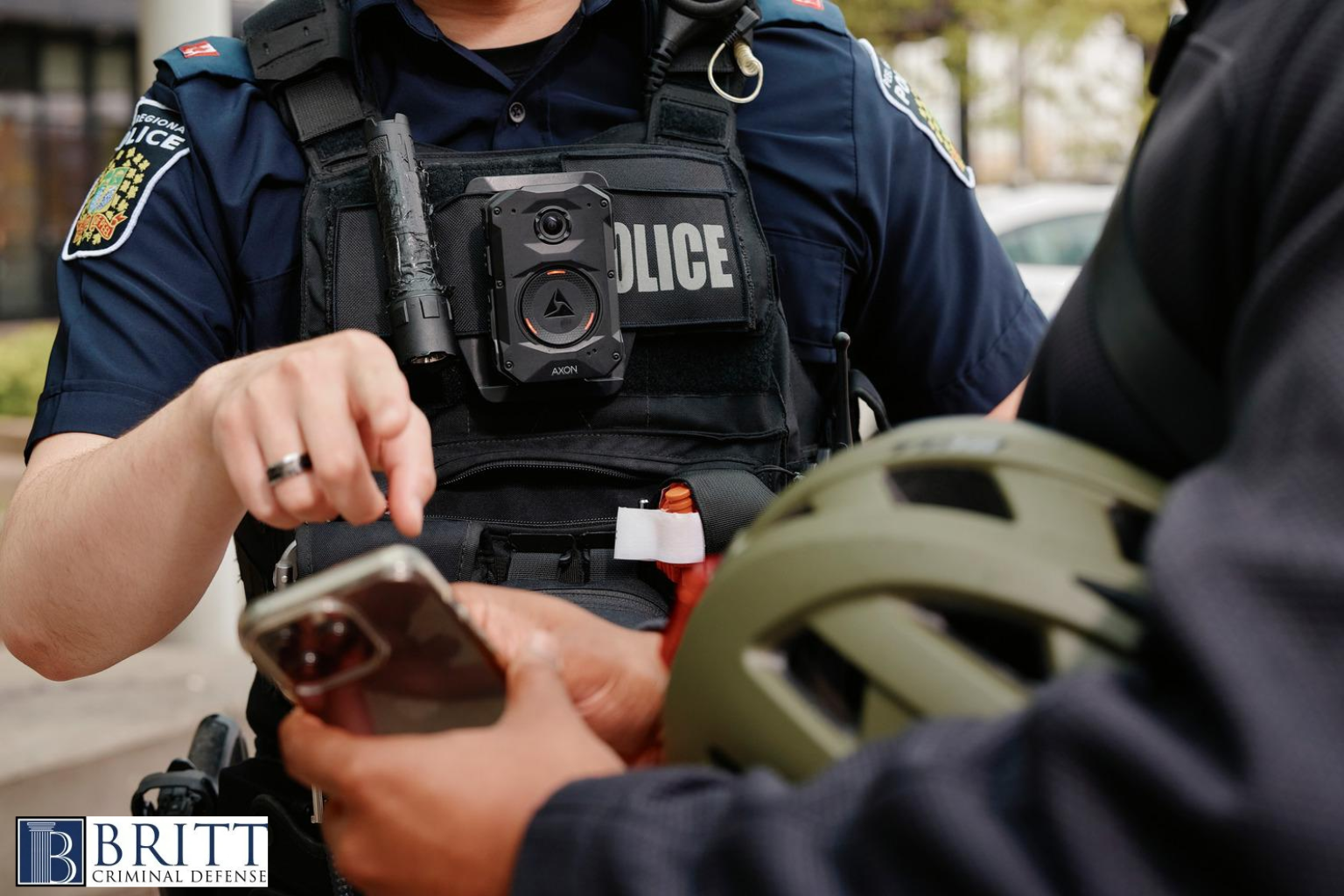
Reasonable suspicion is a lower legal standard than probable cause, but it still limits when police may detain you. The distinction matters during traffic stops, street encounters, searches, and arrests. Police need specific facts before taking certain investigative actions.
A vague feeling or unsupported hunch generally does not satisfy this standard. Understanding these legal thresholds can help you recognize potential constitutional violations and understand why evidence may become subject to a suppression challenge.
Maryland residents facing criminal investigations should understand these protections before speaking with law enforcement.
The Legal Difference Between Reasonable Suspicion and Probable Cause
Police generally need probable cause for an arrest or many warrant applications. This standard requires facts supporting a reasonable belief that criminal activity occurred. It is stronger than the standard used for a brief investigative detention.
The distinction matters because police authority changes as an encounter develops. An officer might begin with limited investigative powers. Additional facts could later establish a stronger legal basis for an arrest.
Courts examine the circumstances known to officers when they acted. Information discovered afterward generally cannot retroactively justify an earlier constitutional violation.
Investigative Stops and Their Constitutional Limits
A Terry stop allows police to briefly detain someone when specific facts support suspected criminal activity. The decision also addressed limited pat-downs for officer safety.
The detention must remain reasonably connected to its investigative purpose. Officers cannot automatically turn every brief encounter into a prolonged investigation. The circumstances determine whether continued detention remains constitutionally reasonable.
A person does not need to be formally arrested before constitutional protections become relevant. A seizure can occur during a temporary encounter when police restrict a person’s freedom.
How Police Detention Can Develop
A police detention can begin when officers temporarily restrict someone’s freedom to investigate suspected criminal conduct. The legal justification must exist when the detention begins.
Officers may ask questions, observe conduct, and investigate surrounding circumstances. The encounter can develop as new information becomes available. However, the investigation cannot continue indefinitely without sufficient legal justification.
Several facts can influence the analysis:
- What officers observed before stopping someone
- Information provided by witnesses or other sources
- The length and nature of the detention
- Whether officers discovered additional evidence
- Whether the encounter eventually became an arrest
These details can become important when challenging the legality of a stop.
When a Frisk Becomes Permissible
A stop and frisk involves two separate constitutional considerations. First, officers generally need reasonable suspicion to justify the stop. Second, a frisk requires reasonable grounds to believe the person is armed and dangerous.
A frisk is not automatically a search for evidence. Its primary purpose is officer safety. The scope should remain limited to that purpose.
The circumstances surrounding the encounter therefore matter significantly. An officer’s general concern for safety does not automatically authorize every physical search.
Courts may consider the person’s conduct, surrounding circumstances, information available to officers, and other objective facts.
Searches and Fourth Amendment Protections
The Fourth Amendment protects people from unreasonable searches and seizures by the government. It establishes important constitutional limits on police investigations and searches. Some searches require warrants supported by sufficient legal justification. Other searches may fall under recognized exceptions to the warrant requirement.
These circumstances can include consent, exigent circumstances, searches incident to lawful arrests, and other established exceptions. Each exception has specific requirements, and whether an exception applies depends on the facts of the individual situation.
Understanding these rules can be especially important when physical evidence plays a major role in a criminal prosecution. An unlawful search may provide grounds for challenging evidence obtained as a result.
Evaluating Whether a Search Was Lawful
A lawful search depends on the circumstances and the legal authority supporting the police action. Officers cannot rely on a broad belief that evidence might exist. A defense review may examine whether officers obtained a warrant. It may also examine whether an exception justified the search.
Important considerations can include:
- Whether officers obtained valid consent
- Whether a warrant existed
- Whether probable cause supported the search
- Whether an exception applied
- Whether officers exceeded the permitted scope
The legality of a search can become particularly significant when drugs, weapons, electronic devices, or other physical evidence form part of the prosecution’s case.
Limits on Police Authority
Police authority is not unlimited during a criminal investigation. Constitutional standards determine when officers may stop, search, detain, or arrest someone. An encounter can change legally as circumstances develop.
A consensual conversation may become a detention. A detention may later become an arrest. Each transition requires appropriate legal justification. The timing of those changes can therefore become important during litigation.
For example, an officer may initially approach someone and ask voluntary questions without having reasonable suspicion. If the officer then restricts the person’s freedom of movement, the legal analysis may change. If an arrest follows, probable cause generally becomes necessary.
Protecting Constitutional Rights During an Investigation
A person’s constitutional rights remain important throughout a criminal investigation. Police reports, body camera footage, witness statements, dispatch records, and other evidence can help reconstruct what happened.
A defense attorney may examine the exact sequence of events. This can reveal whether officers had sufficient grounds for each action and whether their conduct remained within constitutional limits.
People should also be cautious about making statements during an investigation. Although individuals have different rights depending on the circumstances of an encounter, statements made to law enforcement can become evidence in a criminal case.
Obtaining legal advice early can help someone understand whether they are being questioned voluntarily, detained, or arrested and what steps may be appropriate.
Understanding Your Rights Before Police Take Action
The difference between these standards often depends on specific facts and timing. Reasonable suspicion does not give police unlimited investigative power. Probable cause also does not mean the accused person is guilty.
Courts evaluate whether officers had an appropriate legal basis for their actions. Evidence obtained through an unconstitutional search or seizure may sometimes be challenged, although the outcome depends on the circumstances and applicable legal doctrines.
For legal assistance, contact Britt Criminal Defense at 443-944-5705 or visit our firm’s Contact page to request a consultation.
Frequently Asked Questions

Can the police stop me without probable cause?
Yes. Police may briefly detain someone when specific facts support reasonable suspicion of criminal activity. However, the detention must remain reasonably related to its investigative purpose and cannot last longer than necessary under the circumstances.
Officers cannot rely solely on an unsupported hunch. If the encounter develops into an arrest, a stronger legal justification generally becomes necessary. Courts examine the circumstances known to officers when the stop occurred. The specific facts can determine whether the detention complied with constitutional requirements.
What makes reasonable suspicion different from probable cause?
Reasonable suspicion generally supports a brief investigative detention. The two standards therefore authorize different levels of police action.
Neither standard establishes guilt. Courts consider objective facts and the total circumstances surrounding police conduct.
The timing of those facts can also matter. Information discovered after an arrest generally cannot justify an earlier lack of probable cause. Understanding the distinction can help identify potential constitutional issues during a criminal investigation.
Can evidence be suppressed after an unlawful police stop or search?
Potentially. A court may suppress evidence when police obtained it through an unconstitutional search or seizure. However, suppression is not automatic.
Courts consider the circumstances and whether an exception to the exclusionary rule applies. A defense attorney may review reports, recordings, warrants, consent, and the sequence of events to determine whether the search was a lawful search.
The analysis can determine whether officers had sufficient legal grounds for their actions. It can also identify whether officers exceeded the scope of an otherwise valid search or detention, potentially affecting the admissibility of evidence.