
 443-944-5705

Police Interrogation: Know Your Rights Before You Answer Questions

Police interrogation can affect a criminal investigation before charges are filed. Officers may ask questions casually or press you for details. You may think answering shows cooperation. However, your statements can become evidence later.
Miranda protections generally apply during custodial interrogation. They protect against compelled self-incrimination and include important rights. Knowing those protections can help you respond carefully.
This guide explains your rights, when Miranda applies, and what you can say when police want answers. Understand when questioning becomes custodial and how to clearly invoke these protections.
What Is Police Interrogation?
It involves questioning intended to obtain information about suspected criminal activity. It can happen during an arrest, detention, or other law enforcement encounter.
Not every conversation with an officer qualifies as an interrogation. Miranda generally applies when two conditions exist:
- You are in custody.
- Police are interrogating you.
Interrogation can include direct questions about an alleged offense. It can also include words or actions police should know are reasonably likely to produce an incriminating response.
When Does Miranda Apply During Custodial Questioning?
Custody does not always mean a formal arrest. Courts consider the circumstances surrounding the encounter when determining whether someone was in custody.
If police place you under arrest and begin asking questions about an alleged offense, Miranda generally applies. A voluntary conversation before custody can be different.
Police must generally provide Miranda warnings before custodial interrogation. The warnings protect against compelled self-incrimination during that questioning.
If you are unsure whether you are free to leave, you can ask the officer directly.
What Are Your Police Interrogation Rights?
Your rights are designed to protect you during custodial questioning. Miranda requires warnings about several specific protections.
-
Your right to remain silent
You have the right to refuse to answer questions that could incriminate you. You do not have to explain your decision to remain silent.
The Supreme Court recognized this protection as part of the Fifth Amendment safeguards required during custodial interrogation.
You can say:
“I am choosing to remain silent.”
Avoid filling the silence with explanations or additional details.
-
Your right to know statements can be used against you
Before a police interrogation, officers must warn you that anything you say can be used as evidence against you.
This warning matters because seemingly harmless comments can become relevant later. An explanation that seems helpful may also create inconsistencies with other evidence.
Think carefully before answering questions about an investigation.
-
Your right to an attorney
You have the right to consult with an attorney and have an attorney present during custodial questioning.
You can clearly say:
“I want an attorney.”
Once a suspect requests counsel during custodial interrogation, important restrictions apply to continued police questioning.
-
Your right to appointed counsel
If you cannot afford an attorney, Miranda requires police to advise you about the right to appointed counsel before custodial questioning.
How Do Police Interrogation Techniques Work?
Some interrogation techniques are designed to encourage people to keep talking. Officers may repeat questions or challenge parts of your story.
Other approaches may involve minimizing the seriousness of suspected conduct. Officers might also suggest that explaining yourself will resolve the situation.
These approaches do not automatically make an interrogation unlawful. However, they can create pressure to provide more information.
You can remain calm and avoid guessing. If questioning concerns possible criminal conduct, consider clearly invoking your rights before continuing.
What Police Interrogation Tactics Should You Watch For?
Common tactics can make people believe they need to defend themselves immediately.
An officer may say that evidence already proves what happened. Another officer may suggest that cooperation will make the situation easier. Questions may also be repeated after you provide an answer.
You do not need to debate these statements.
If you want to stop answering questions, say so clearly. If you want an attorney, request one clearly. Then avoid discussing the investigation until you receive legal advice.
What Police Interrogation Questions Do You Have to Answer?
People often wonder whether they must respond to questions simply because an officer asks them.
The answer depends on the circumstances. Miranda protects against custodial interrogation without the required safeguards. It does not mean every police interaction requires a Miranda warning.
If officers ask questions about suspected criminal conduct, you can avoid unnecessary statements. You should never lie to investigators.
Instead, consider saying:
“I do not want to answer questions. I want to speak with an attorney.”
That response is clearer than trying to explain why you do not want to talk.
How Should You Exercise Police Interrogation Rights?
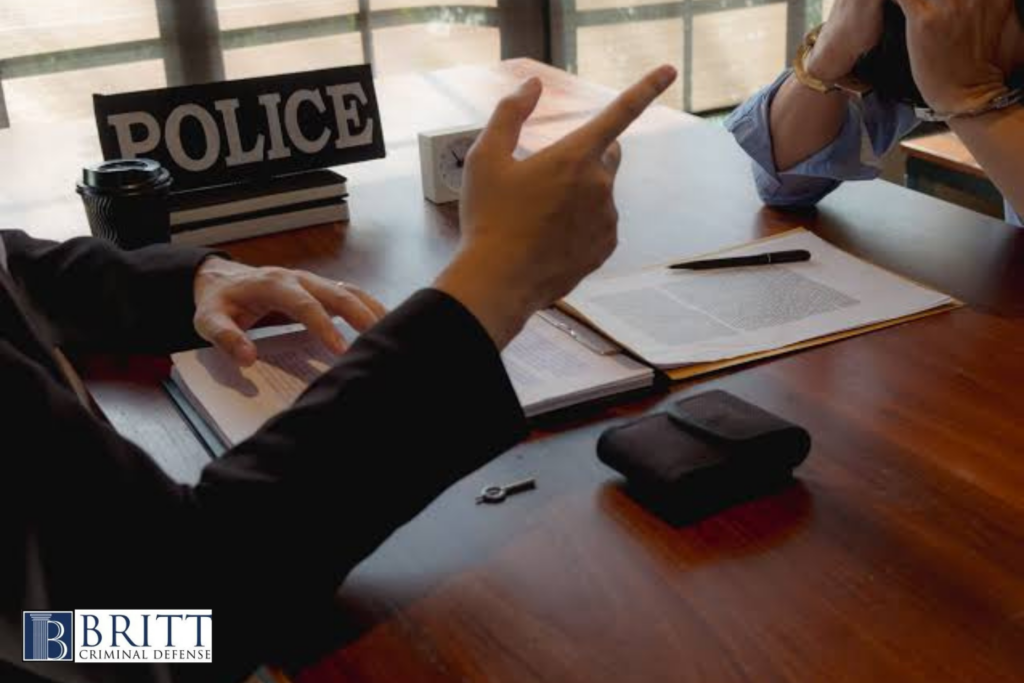
Knowing your rights is different from actually exercising them. If you want to remain silent, state that choice clearly.
If you want an attorney, make that request equally clear.
The Supreme Court has held that a suspect who invokes the right to remain silent must have that choice respected. A request for counsel also carries important protections during custodial interrogation.
Avoid statements such as:
- “Maybe I should get a lawyer.”
- “I probably shouldn’t talk.”
- “Can I think about this first?”
Instead, make your decision unmistakable.
What Should You Do After You Invoke Miranda Rights?
After requesting an attorney, do not undermine your request by continuing to discuss the investigation.
You do not need to argue with officers. You do not need to convince them that you are innocent. You also do not need to explain why you want counsel.
Remain calm and respectful.
If police continue asking questions, repeat your request for an attorney. The Supreme Court has recognized significant protections after a suspect invokes the right to counsel during custodial interrogation.
The safest response can be simple: stop discussing the facts and wait for legal advice.
Protect Your Rights Before Answering Police Questions
You do not have to prove your innocence during a police interrogation. The prosecution has the burden of proving the charges against you.
Understanding your rights before answering questions can prevent unnecessary statements from complicating your defense. Miranda protections generally apply to custodial interrogation, so the specific circumstances matter.
Britt Criminal Defense helps Maryland clients understand their options when facing criminal allegations. If police have questioned you or requested an interview, consider getting legal guidance before providing additional statements.
You can reach the firm at 443-944-5705 or through the contact page.
Frequently Asked Questions
What are my rights during a police interrogation?
During custodial interrogation, Miranda generally protects your right to remain silent. You also have the right to know that your statements can be used against you. You have the right to consult with an attorney and have counsel present during questioning.
If you cannot afford an attorney, you have the right to appointed counsel. These protections apply when the circumstances meet Miranda’s custody and interrogation requirements. They do not automatically apply to every conversation with police.
If you are being questioned about suspected criminal conduct, consider clearly requesting an attorney.
Do I have to answer police questions without a lawyer?
You generally do not have to provide incriminating answers during custodial interrogation. However, Miranda does not automatically apply to every police interaction. Whether you are in custody and being interrogated matters.
If you want to stop answering questions, clearly state that you are choosing to remain silent. If you want legal representation, clearly request an attorney.
Avoid lying or providing misleading information. If questioning has already occurred, consider speaking with a defense attorney before providing additional statements. The specific circumstances can affect your legal protections.
What should I say if police start interrogating me?
Keep your response short and clear. You can say, “I am choosing to remain silent. I want an attorney.” You do not need to explain why you are making that decision. Avoid arguing with officers or trying to prove your innocence through additional statements.
If you invoke your right to counsel during custodial interrogation, important constitutional protections apply to continued questioning. If police continue asking questions, calmly repeat your request. Do not resume discussing the facts until you have received legal advice.